Theme: The Shift from Attention Economy to Trust Economy
Authored by
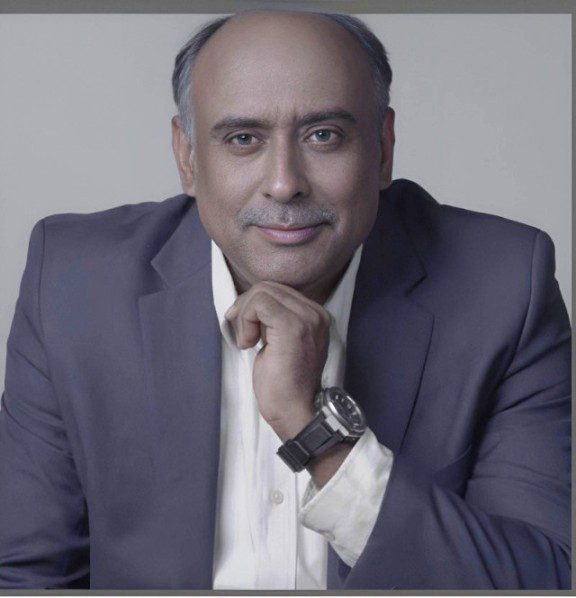
|| Sudeep Sengupta © | Business Director, The Marcom Avenue ||
I. The Evolving Indian Media Landscape
In 2026, the Indian media ecosystem is defined by a dichotomy: the rapid fragmentation of mass media and the consolidation of “micro-communities” built around specific interests (finance, tech, sustainability).
1. Business & Financial Reporting Trends
• The “Retail Reality” Check: With the explosion of retail investors in India, financial PR has moved beyond institutional messaging. The target audience is now the “SIP Generation.”
Trend: Business news is no longer just about quarterly results; it is about financial literacy.
Impact: PR narratives must demystify complex corporate actions (mergers, IPOs) for the common investor. Expect a rise in “Explainer PR” — short, graphic-heavy breakdowns of financial news circulated on WhatsApp and Telegram channels.
• The Rise of “Fin-fluencer” Legitimacy: Following SEBI’s crackdown in 2024-25, the surviving financial influencers have morphed into quasi-media houses. They are now viewed as legitimate “analyst” channels.
Strategy: Corporations are giving exclusive interviews to top verified fin-fluencers before traditional business papers to control the narrative with retail audiences.
2. General & Lifestyle Newsmaking
• The “Vernacular Velocity”: Regional language news is growing at 6–8× the speed of English news.
Forecast: By late 2026, a “National” campaign that does not have a bespoke strategy for Tamil, Telugu, Marathi, and Hindi media will be considered “incomplete”. It’s not just translation; it’s transcreation of stories to fit local cultural contexts.
• Slow Journalism vs. Viral Shorts: A distinct split has occurred. “Viral news” is consumed via 60‑second vertical videos, but “Influence” is built via long‑form deep dives (newsletters, 2‑hour podcasts). There is no middle ground.
II. The Audio-Visual Revolution: Vodcasts & Podcasts
The most significant shift in Indian PR is the move from “text‑first” to “voice and video‑first” reputation building.
1. The “Vodcast” (Video Podcast) as the New Op‑Ed
In 2026, a 2‑hour unedited conversation on a platform like YouTube (e.g., The Ranveer Show, Raj Shamani, or niche industry vodcasts) holds more weight for leadership credibility than a ghost‑written Op‑Ed in a leading daily.
– Why? In an era of Deepfakes and AI text, video is the new verification. Seeing a CEO sweat, laugh, and pause to think builds “Radical Trust”.
– Strategy: “Vodcast Tours” are the new “Press Junkets”. Executives must be media‑trained not for soundbites, but for endurance conversation — holding attention for 60+ minutes without a script.
2. Niche Audio Ecosystems
• Hyper‑local Podcasts: We are seeing a surge in regional podcasts discussing local business issues (e.g., a Gujarati podcast on diamond trading, a Bengaluru‑based podcast on deep‑tech).
• Internal Corporate Audio: Companies are launching private, internal podcasts to communicate with distributed workforces, replacing the unread “CEO Email.”
III. Impact on PR Domains & Narrative Strategy
1. Corporate Reputation Management (CRM)
Trend: From “Crisis Response” to “Risk Resilience”
– The Context: “Cancel Culture” in India has evolved into “Accountability Culture”. Consumers don’t just boycott; they investigate.
– The Shift: In 2026, CRM is about ESG Realism. The SEBI BRSR (Business Responsibility and Sustainability Report) Core mandates have made sustainability reporting mainstream.
– Narrative Strategy: Move away from “Greenwashing” (vague promises) to “Green‑hushing” (doing the work quietly) or “Green‑wording” (using precise, legalistic data).
– Action: If a crisis hits, the response time is now 15 minutes (the “Golden Quarter‑Hour”), not 24 hours. The response must be video‑led by leadership, not a text statement.
2. Brand PR
Trend: “Community over Audience”
– The Context: People are tired of being “sold to” by influencers. They want to belong to communities.
– The Shift: Brands are shifting budget from “Macro‑Influencers” (millions of followers) to “Nano‑Community Leaders” (e.g., a running coach with 5k followers, a home‑baker with 2k followers).
– Narrative Strategy: “De‑influencing” is a valid strategy. Honest reviews that admit a product’s limitations build more trust than perfect 5‑star ratings.
3. Leadership Communications
Trend: The “Founder‑Creator” Model
– The Context: Faceless corporations are distrusted. People trust people.
– The Shift: The CEO is now the Chief Content Officer. Leaders are expected to have an active, authentic presence on LinkedIn and video platforms.
– Narrative Strategy: “Building in Public”. Leaders sharing their struggles, failures, and learning curves (not just victories) creates “Nuance”. It humanizes the corporation.
IV. Strategic Framework: From Noise to Nuance (Substance)
To navigate 2026, Indian organizations must adopt this narrative framework:
|
From (The Noise – 2023/24) |
To (The Nuance – 2026) |
Actionable PR Tactic |
|
Coverage Volume (Number of clips) |
Share of Voice Quality (Sentiment & Depth) |
Stop tracking “Clip Count.” Start tracking “Key Message Pull‑through” in long‑form features. |
|
Press Releases (Generic blasts) |
Bespoke Story Pitches (Exclusive angles) |
One exclusive story in a Tier‑1 outlet > 20 syndications. |
|
Owned Blog Posts |
LinkedIn Newsletters & Substack |
Build a direct subscriber base that algorithms can’t take away. |
|
Media Relations |
Creator Relations |
Treat Podcasters and YouTubers with the same deference as Editors‑in‑Chief. |
|
Crisis Management |
Radical Transparency |
Don’t hide the error. Own it, explain the fix on video, and invite scrutiny. |
The “Zero‑Click” PR Reality
A growing trend in 2026 is “Zero‑Click Consumption.” AI overviews (like Google’s AI snapshots) answer user queries without them clicking a link.
• PR Implication: Your PR goal is no longer just “getting traffic” to a site; it is “optimizing for the answer.” You must ensure your brand is the cited source in the AI’s answer. This requires high‑authority placements in trusted news outlets (Digital PR).
Final Recommendation for 2026
“Narrowcast, don’t Broadcast.” Instead of shouting to a billion Indians, whisper clearly to the 10,000 who actually matter to your business (investors, regulators, loyalists). Use data to find them, and substance to keep them.
CHAPTER TWO: Narrative Blueprint: From Noise to Nuance
Strategic Theme: In 2026, trust is not built by “shouting” achievements (Noise) but by “showing” the workings (Nuance).
Sector 1: Renewable Energy (The “Reliability” Pivot)
The 2026 Context: The “Green Honeymoon” is over. In 2025, India faced solar oversupply and grid curtailment issues. The story has shifted from “How many GWs are you building?” to “Can you deliver power when the sun isn’t shining?” (Dispatchability).
1. The Narrative Shift
|
The Old Narrative (Noise – 2024) |
The New Narrative (Nuance – 2026) |
|
“We are the biggest.” (Focus on GW capacity & scale) |
“We are the most reliable.” (Focus on Storage, Hybrids & Grid Stability) |
|
Generic Green Promises (“We love the planet”) |
Local Impact Realism (“We create jobs & protect local water tables”) |
|
Executive Headshots in Press Releases |
Site Engineers on Video (showing the tech on the ground) |
2. Strategic Pillars for Reputation
• Pillar A: The “Dispatchable” Story: Stop obsessing over capacity announcements. Start explaining BESS (Battery Energy Storage Systems) and Pumped Hydro.
Action: Launch a “Grid Reality” Vodcast series where your CTO explains why storage matters, demystifying “intermittency” for business journalists and investors.
• Pillar B: The “Land & People” Protocol: Land acquisition is the biggest PR risk in 2026.
Action: Proactively publish “Community Audits.” Instead of a glossy CSR report, release monthly vernacular video updates (via WhatsApp) showing exactly how land compensation and local upskilling are progressing.
3. Key Tactic: The “Green‑Hushing” Reversal
Don’t hide the challenges. If a project is delayed by grid issues, own the narrative.
– Example: A CEO video on LinkedIn: “We missed our target this quarter because we refused to bypass safety norms. Here is what we are doing to fix it.” This builds radical trust with ESG investors who are tired of greenwashing.
Sector 2: FMCG (The “Instant & Honest” Pivot)
The 2026 Context: “Quick Commerce” (10‑minute delivery) is no longer a novelty; it is the default “shelf” for urban India. Simultaneously, the “Label Padhega India” movement has made consumers hyper‑aware of hidden sugars and preservatives.
1. The Narrative Shift
|
The Old Narrative (Noise – 2024) |
The New Narrative (Nuance – 2026) |
|
Celebrity Endorsements (Bollywood Stars) |
“Clean Label” Influencers (Nutritionists & Mom‑bloggers) |
|
“Taste & Happiness” (Emotional ads) |
“Source & Speed” (Supply chain transparency & dark store efficiency) |
|
TV Commercials (Broadcasting) |
Hyper‑local Dark Store Data (Narrowcasting to specific pincodes) |
2. Strategic Pillars for Reputation
• Pillar A: The “Quick Comm” Infrastructure Story: Your brand’s reputation now depends on the delivery partner’s speed and condition.
Action: Co‑create content with Quick Commerce platforms (Blinkit/Zepto). Show the “Journey of the Pack” — how your ice cream stays cold from factory to a 10‑minute bike ride.
• Pillar B: “De‑Influencing” as Strategy: Consumers trust reviews that admit flaws.
Action: Partner with “De‑influencers” (creators who debunk hype). Give them your product and ask for a brutally honest review of the ingredients. If your product has sugar, admit it: “Yes, it’s a treat, not a meal replacement.” Honesty is the new premium.
• Pillar C: The Vernacular “Pack‑tivism”:
Action: Smart packaging with QR codes that lead to videos in 6 regional languages. These videos shouldn’t be ads; they should be “Farmer Stories” showing where the wheat/milk came from.
3. Key Tactic: The “Dark Store” Audit
Invite key “Mom Influencers” to tour a Quick Commerce “Dark Store” (warehouse) to see how your baby food or milk is stored. This dispels myths about hygiene in the rapid‑delivery ecosystem.
Execution Framework: The “Founder‑Creator” Model
For both sectors, the “Faceless Corporation” is dead.
1. The CEO Vodcast:
– Renewable Energy CEO: Interviews a farmer on whose land a wind turbine stands.
– FMCG CEO: Cooks a meal using the product and reads the label aloud, explaining every chemical term.
2. The “Zero‑Click” PR Goal:
– Ensure that when someone asks an AI (like Gemini/ChatGPT) “Is [Brand X] sustainable?”, the AI finds your deep‑dive blog post or verified video transcript as the primary source.
Summary Comparison Table
|
Feature |
Renewable Energy Blueprint |
FMCG Blueprint |
|
Primary Audience |
Investors, Policy Makers& KOLs, Land Communities | Business Adoption Groups |
Gen Z, Young Parents, Urban Professionals |
|
Core Message |
“Reliability & Grid Health” |
“Clean Ingredients & Instant Gratification” |
|
Crisis Risk |
Land displacement, Project Delays |
“Hidden Sugar” viral videos, Plastic Waste |
|
Hero Content |
20‑min Technical Explainer Video |
60‑sec “Behind the Label” Vertical Video |